
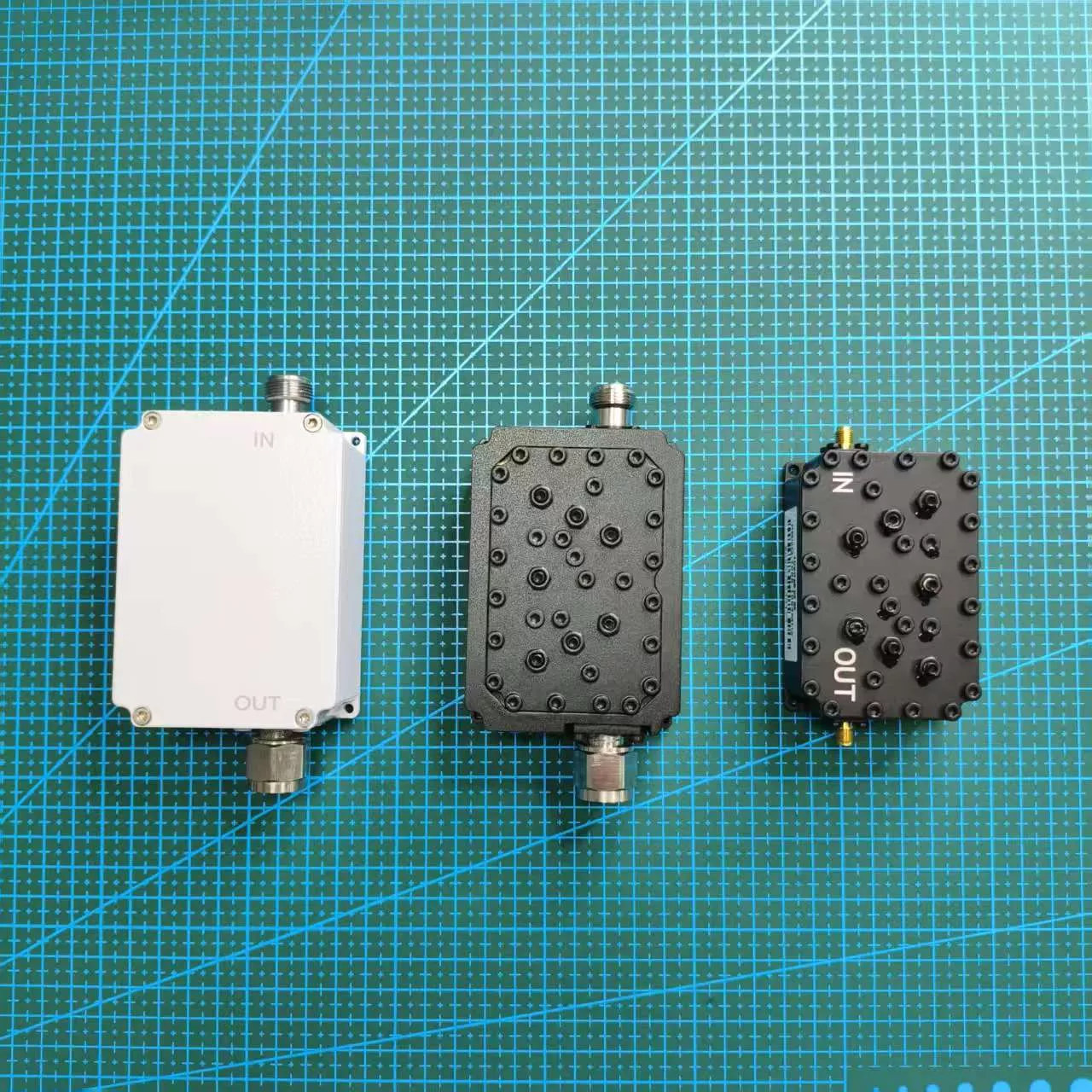
Many 1090MHz filters look similar on a website, promising better range and a cleaner signal. But the difference between a high-performance cavity filter and a basic, ineffective one isn't always obvious from a product photo. The key details—the quality of the cavity resonators, the precision of the tuning, the effectiveness at rejecting interference—are what truly matter.
This guide covers what to pay attention to before you buy a 1090MHz cavity filter for your ADS-B setup:
- What Does a Cavity Filter Actually Do for Your ADS-B Receiver?
- How to Tell a High-Quality Filter from a Basic One
- Is a Filter the Right Solution for Your Signal Problems?
- Will the Filter's Performance Degrade Over Time?
What Does a Cavity Filter Actually Do for Your ADS-B Receiver?
A 1090MHz Cavity Filter is a specialized electronic component designed to solve a specific problem: signal interference. Its primary function is to act as a highly selective gatekeeper for your ADS-B receiver.
In simple terms, it cleans up the radio frequency (RF) environment around the 1090 MHz band. Here’s how it works:
- Passes Desired Signals: It allows signals at or very near 1090 MHz—the exact frequency used by aircraft for ADS-B Out transmissions—to pass through to your receiver with minimal loss (low insertion loss).
- Blocks Unwanted Interference: It dramatically attenuates (weakens) strong signals from other sources that can overload your receiver. Common culprits include:
- GSM/Cellular Signals: Powerful signals from nearby cell towers, especially in the 900 MHz and 1800 MHz bands.
- FM Radio Broadcasts: Strong local FM radio stations.
- Other RF Noise: Interference from various industrial, scientific, and medical (ISM) devices.
By filtering out this "noise," the cavity filter prevents your ADS-B receiver from being overloaded. This results in a much cleaner signal, allowing the receiver to detect weaker aircraft signals from a greater distance, thereby increasing your overall ADS-B range and the number of aircraft you can track.
How to Tell a High-Quality Filter from a Basic One
Not all filters are created equal. The performance of a 1090MHz cavity filter is determined by its design and construction. Here are the key factors to consider:
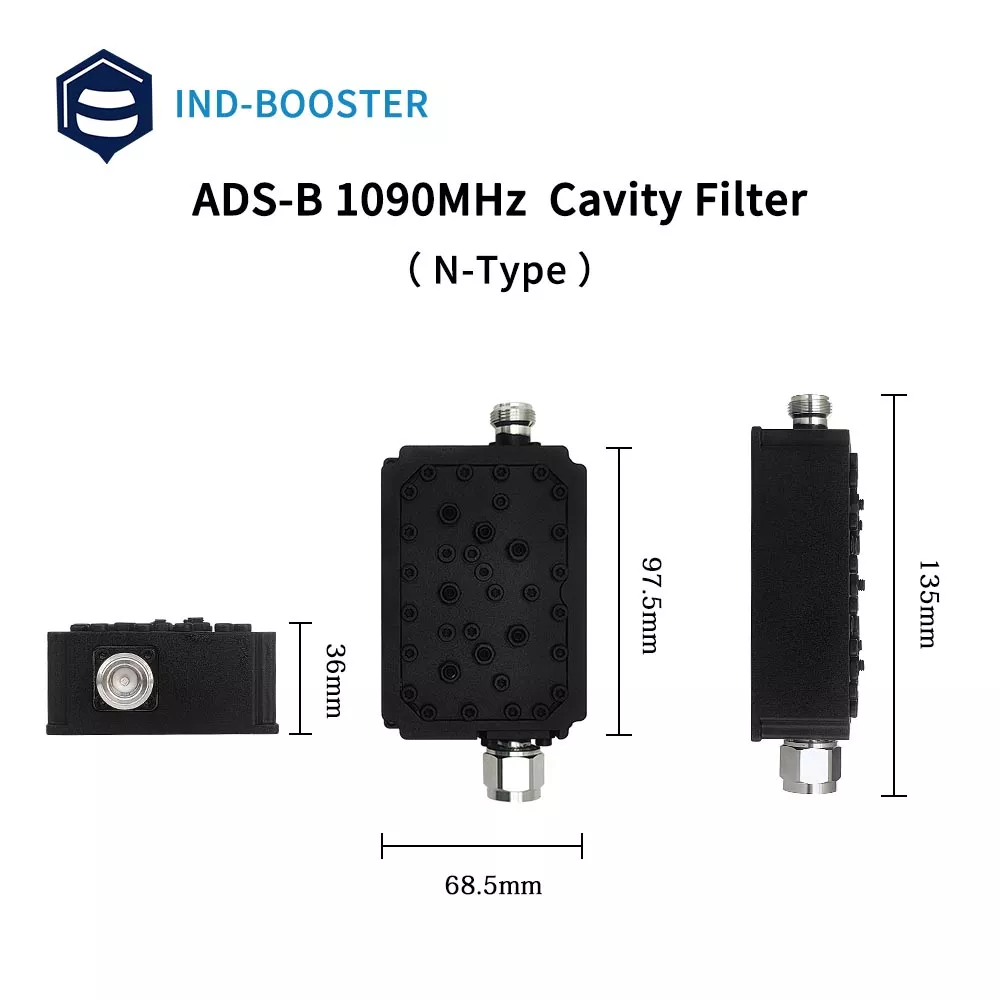
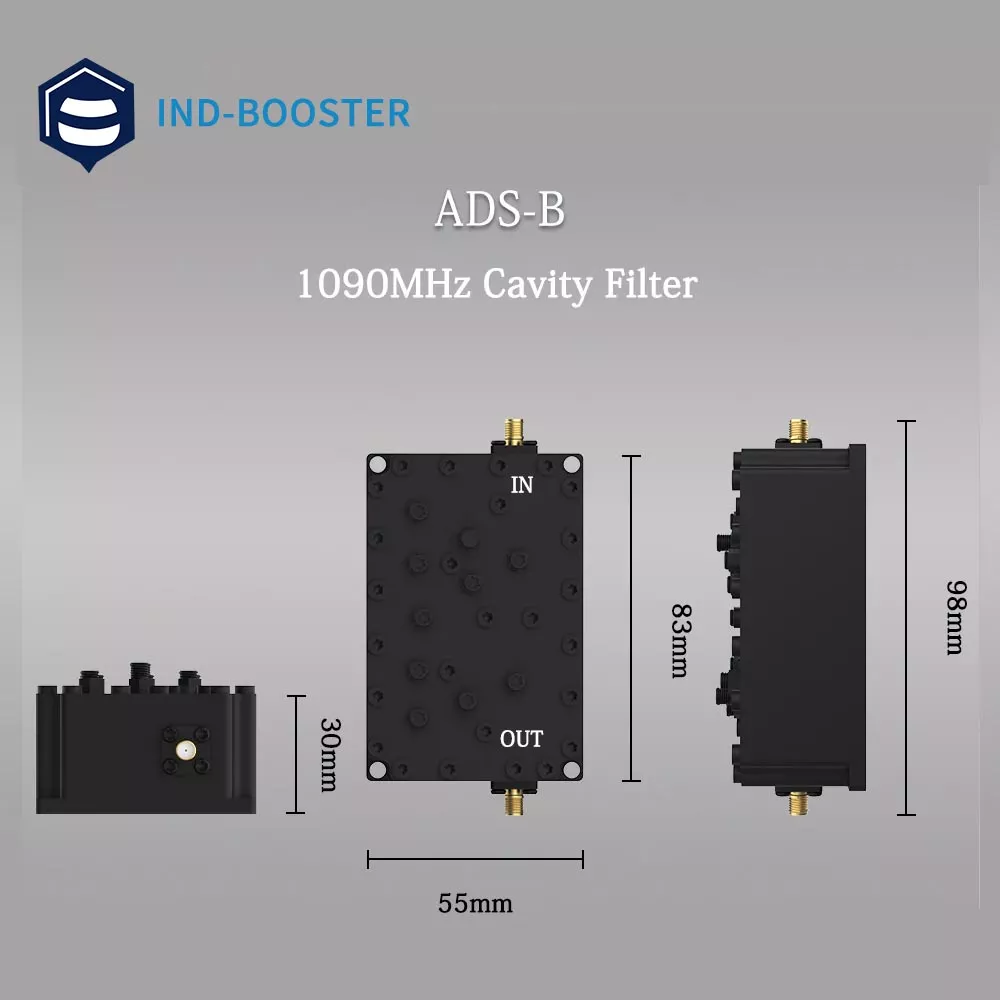
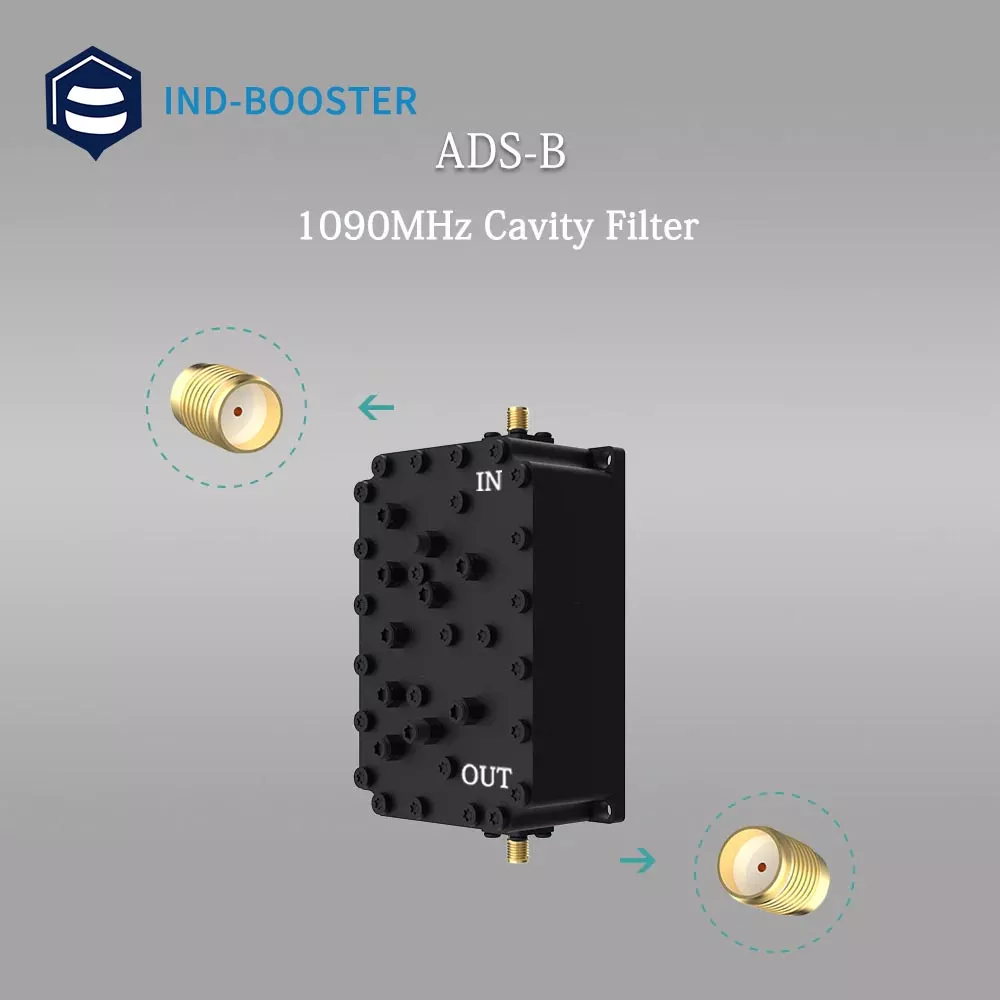
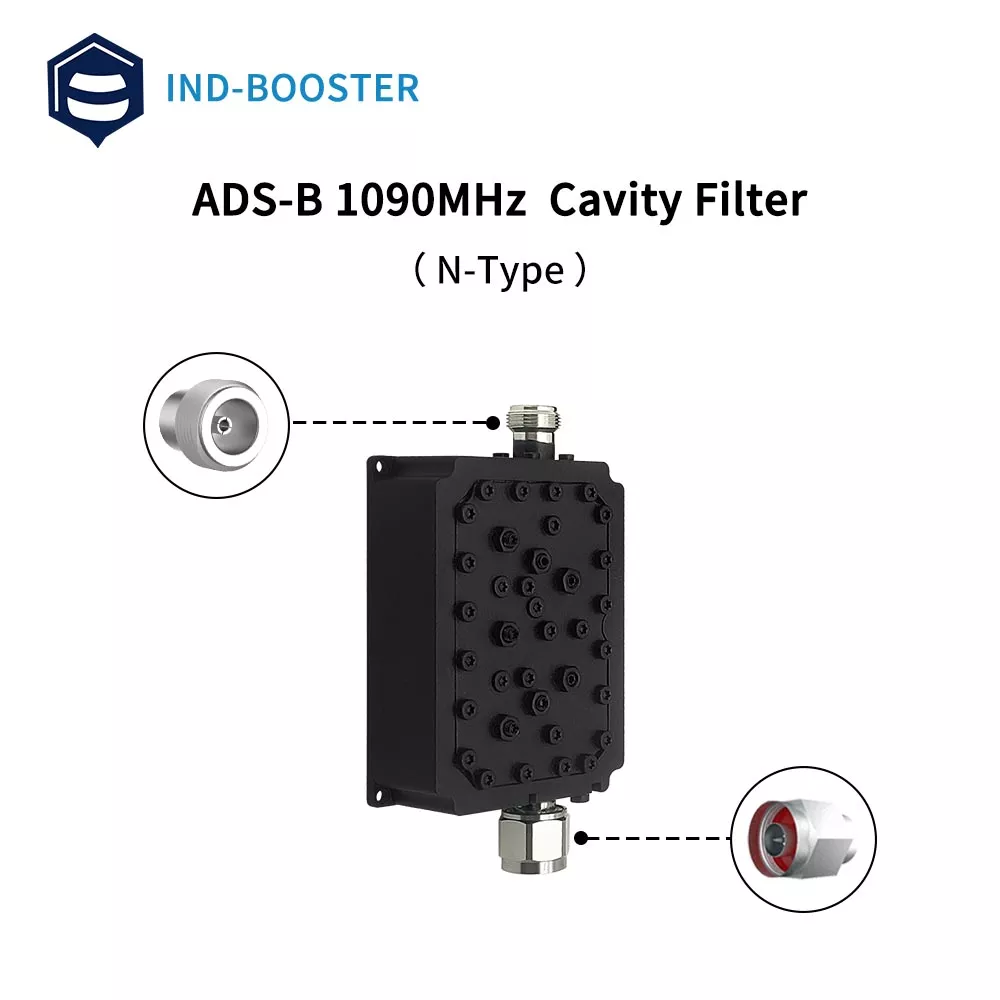
- Cavity Resonators: The heart of the filter is its resonant cavities. High-quality filters, like the DKBooster model, use multiple precision-machined cavities (e.g., a 4-cavity design). More cavities generally mean a "steeper" filter skirt, which translates to better rejection of unwanted frequencies right next to the 1090 MHz passband.
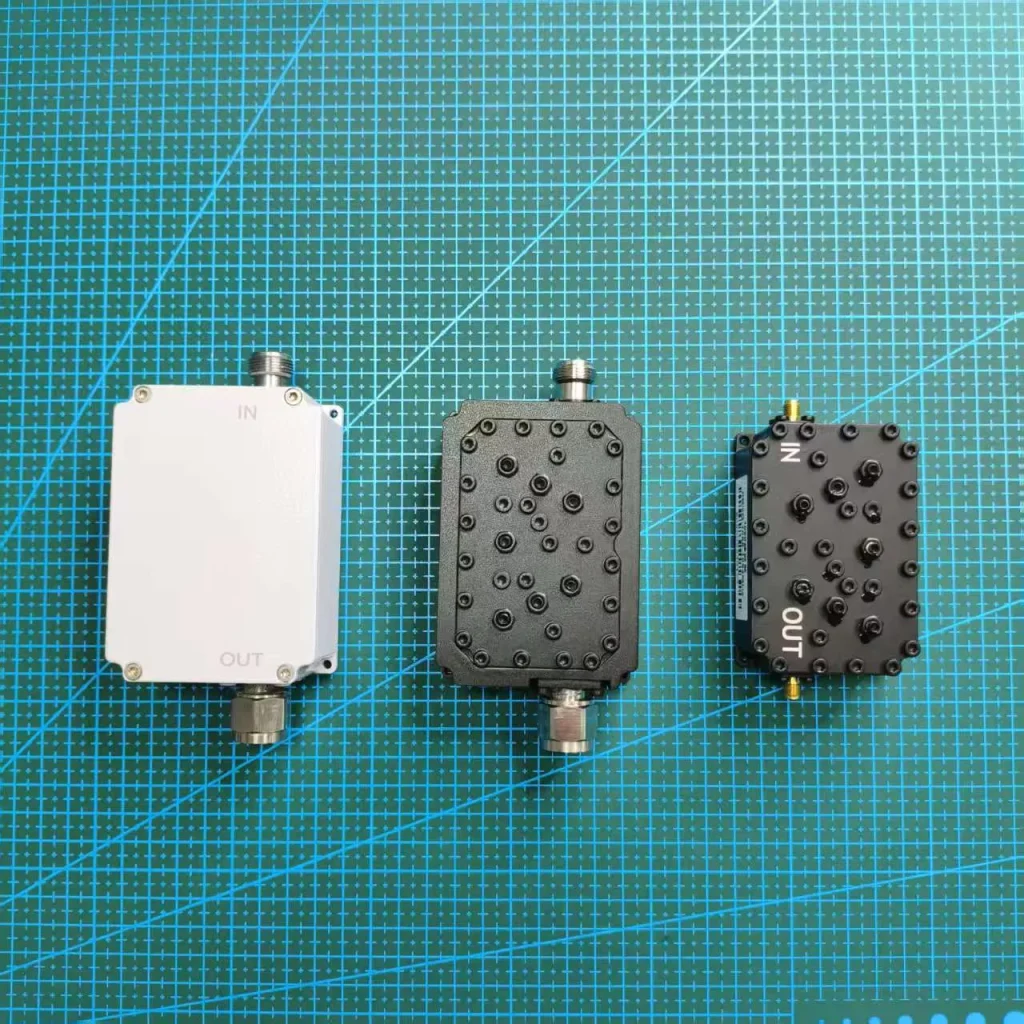
- Connector Quality: Look for robust, gold-plated connectors like N-Type. Gold plating ensures excellent conductivity and corrosion resistance, which is critical for maintaining a low-loss connection, especially in outdoor installations. Avoid filters with cheap, flimsy connectors.
- Insertion Loss: This is a measure of how much of your desired 1090 MHz signal is lost while passing through the filter. A good cavity filter will have a very low insertion loss (typically less than 1 dB), meaning it cleans the signal without significantly weakening it.
- Rejection Level: This specifies how effectively the filter blocks unwanted frequencies. A high-performance filter will offer high rejection (e.g., >40 dB) for common interference bands like GSM900 and GSM1800.
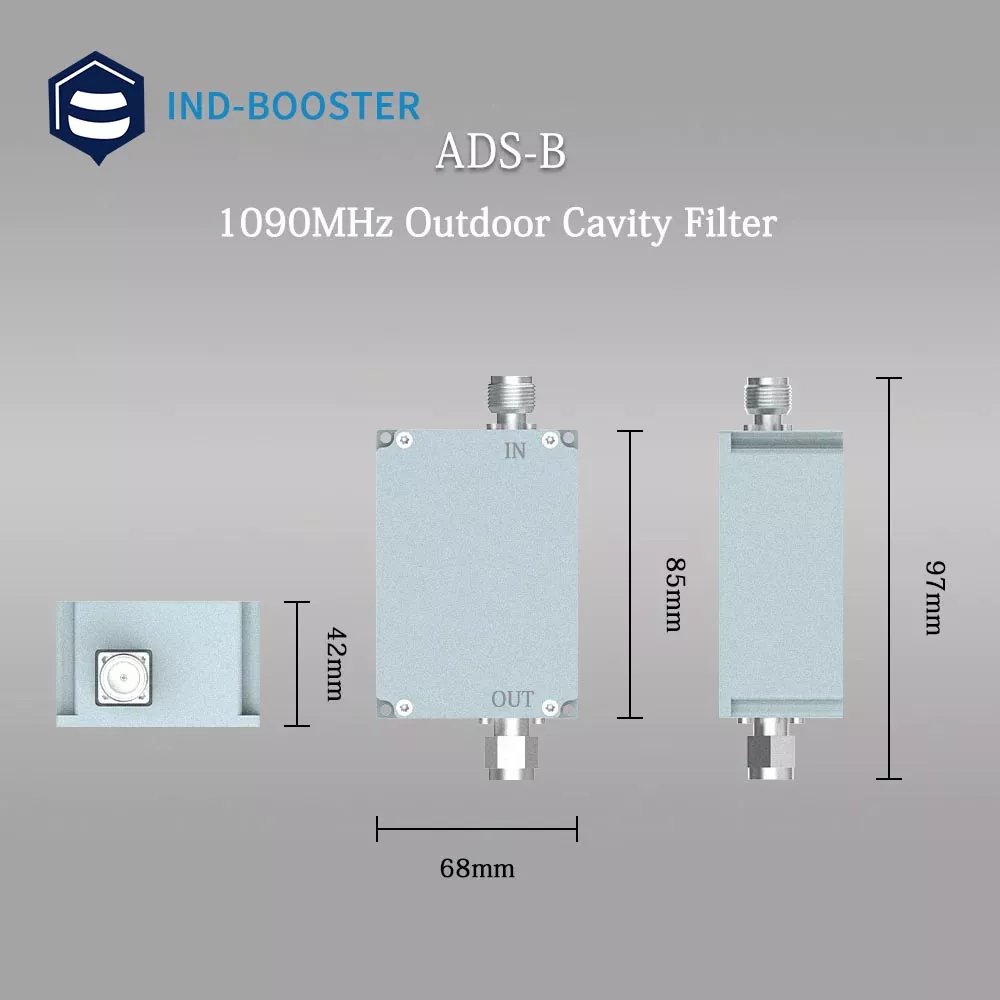
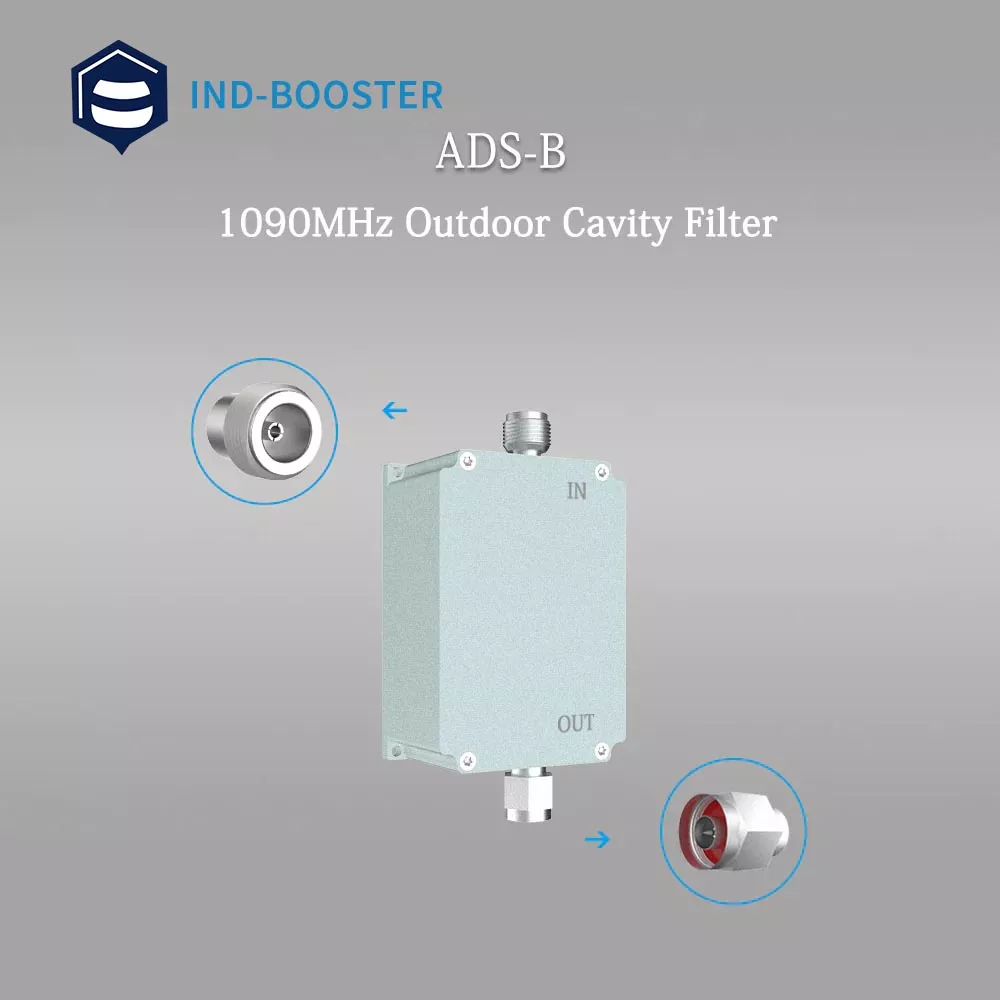
- Build Quality & Weatherproofing: If you plan to mount the filter near your antenna (which is recommended), it must be weatherproof. Look for a durable, sealed aluminum enclosure with a high IP Rating (e.g., IP65) to protect it from rain, dust, and extreme temperatures.
One quick way to judge: Examine the product specifications. A detailed spec sheet showing performance graphs (passband, rejection bands) and high-quality construction details is a strong indicator of a serious product.
Is a Filter the Right Solution for Your Signal Problems?
A 1090MHz cavity filter is a powerful tool, but it's designed to solve a specific issue. It's the right choice if you are experiencing:
- Poor Range: You have a good antenna and receiver setup, but you're not seeing aircraft at the distances you expect.
- Signal Dropouts: Your ADS-B signal seems to cut in and out, especially during certain times of the day.
- Known Local Interference: You live near a cell tower or other strong RF source that is likely causing receiver overload.
When is it NOT the solution?
A filter cannot create a signal where none exists. It will not help if:
- Your antenna is placed poorly (e.g., indoors, or obstructed by buildings).
- You are using a very low-quality or damaged antenna cable.
- Your receiver itself is faulty.
The filter's job is to refine a signal, not to amplify it. For the best results, it should be part of a well-planned ADS-B ground station setup.
Will the Filter's Performance Degrade Over Time?
This is a common concern. Unlike active electronics, a high-quality passive cavity filter has no components that "wear out" in the traditional sense.
- Stability: Once tuned at the factory, a well-built cavity filter is extremely stable. The resonant frequency will not drift over time due to age.
- Durability: The performance is tied to its physical construction. A filter housed in a solid, weatherproof aluminum enclosure with sealed connectors will maintain its performance for many years, even when installed outdoors.
- Handling: The main risk to performance is physical damage. Dropping the filter or damaging the connectors can detune the cavities and ruin its effectiveness. Once installed correctly, however, it is a "fit and forget" component.
A quality 1090MHz filter is a long-term investment in your ADS-B station's performance. It should provide a cleaner signal and improved range for as long as you own it.
Optimize Your ADS-B Reception with DKBooster
The DKBooster 1090MHz Cavity Filter is engineered for performance and durability. Featuring a precision-tuned 4-cavity design and robust N-Type connectors, it provides exceptional rejection of GSM and other interference while maintaining a low insertion loss for your ADS-B signals. Housed in a weatherproof IP65-rated enclosure, it's built to deliver reliable, long-term performance in any environment.
Key Features:
- Center Frequency: 1090 MHz
- High Rejection: Effectively blocks GSM900/1800 interference
- Low Insertion Loss: Preserves weak aircraft signals
- Durable Construction: Weatherproof aluminum housing with N-Type connectors
Ready to improve your aircraft tracking? Explore the technical specifications and order your DKBooster 1090MHz Cavity Filter today.
FAQ
What is the difference between a cavity filter and a simple band-pass filter?
A cavity filter is a specific, high-performance type of band-pass filter. It uses resonant metal cavities to achieve a much sharper filtering curve and higher power handling than simpler LC (inductor-capacitor) filters. This makes it far more effective at rejecting strong, nearby interference for applications like ADS-B.
Where should I install the 1090MHz filter in my setup?
For best performance, the filter should be installed as close to the antenna as possible. This prevents interference from being picked up by the cable itself and overloading your receiver. If your antenna has an integrated amplifier, the filter should be placed between the amplifier and the receiver.
Will this filter work with any ADS-B receiver (e.g., RTL-SDR, FlightAware, RadarBox)?
Yes. The DKBooster 1090MHz cavity filter uses standard N-Type connectors and is a passive device, making it compatible with virtually all ADS-B receivers and software-defined radios (SDRs) that operate on 1090 MHz.
Does the filter require any power or configuration?
No. It is a completely passive device. You simply connect it in-line with your antenna cable. It requires no power, software, or configuration.
Can I use this filter for other applications besides ADS-B?
While optimized for the 1090 MHz ADS-B band, this filter can be used for any application requiring a clean signal in that frequency range. However, its specific tuning makes it ideal for aviation signal reception.
Available link:https://www.indbooster.com/products/1090mhz-filter
